Heath Street moving guide for flat removals and access tips
Posted on 14/06/2026
Heath Street Moving Guide for Flat Removals and Access Tips
If you are planning a move on Heath Street, you already know this is not the kind of job you want to wing. Between narrow approaches, busy periods, tight stairwells and the usual London parking puzzle, a flat removal here can turn awkward very quickly. This Heath Street moving guide for flat removals and access tips pulls everything into one place so you can plan properly, avoid the obvious headaches, and make the day feel manageable rather than chaotic.
Truth be told, most moving stress on streets like this comes from access, not the boxes. Can the van stop close enough? Is there enough room to carry larger items? Will the lift fit a wardrobe, or will you be taking it apart at the last minute with a screwdriver and a bit of patience? Those are the questions that matter. This guide answers them in plain English, with practical steps, real-world scenarios, and the kind of detail that saves time on the day.
For readers also comparing removal options across Hampstead, it may help to look at flat removals in Hampstead and the wider removals Hampstead service range. If you are working through the bigger picture of moving, packing, storage and timing, the broader services overview is a useful place to orient yourself too.
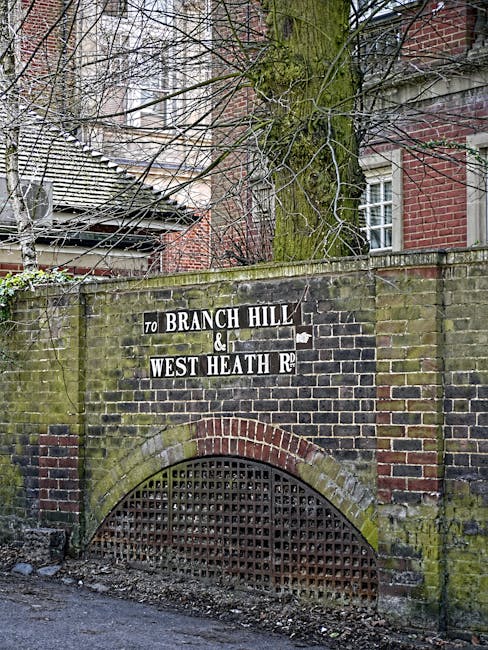
Why Heath Street moving guide for flat removals and access tips Matters
Heath Street sits in the kind of London setting where moving looks simple from the outside and then becomes more complicated once the van actually arrives. A flat removal here is often less about distance and more about access: whether the vehicle can park safely, whether the entrance is shared, whether there are stairs with a sharp turn halfway up, and whether your sofa is going to discover a new architectural feature it does not fit through.
That is why access planning matters so much. If you ignore it, even a well-organised removal can start slipping behind schedule. A job that should take a morning can drag into the afternoon because one item has to be dismantled, carried in stages, or walked further than expected from the vehicle. None of this is dramatic on its own, but put three or four small access issues together and the day gets messy. Very messy.
It also matters because flats tend to involve more moving parts than houses. Shared hallways, neighbours, building rules, booking windows for lifts, and the simple reality of carrying items through tighter spaces all influence the plan. If you are moving from a period conversion, a mansion block, or a top-floor flat with a narrow stairwell, the access challenge can be just as important as the packing.
For many people, especially if they are moving within the Hampstead area, the trick is not to find a miracle solution. It is to prepare for the street as it really is, not as you hope it might be at 8 a.m. on moving day. That mindset makes a huge difference.
How Heath Street moving guide for flat removals and access tips Works
The basic idea is simple: you assess the access before the removal team starts lifting, then you plan the move around the limits of the building and the road. In practice, that means checking how the van will approach, how long items will travel from the flat to the vehicle, and whether anything needs dismantling or special handling.
On a street like Heath Street, the move usually unfolds in a sequence. First comes pre-move planning. Then comes arrival and parking. Then comes the carrying stage, where the actual access conditions decide the pace. Finally, loading and securing the items in the van depend on how efficiently the earlier stages were managed. Simple enough in theory, but a bit more textured in real life.
For example, if a lift is available but too small for larger furniture, your team may need to use stairs for some items and the lift for boxes. If parking is limited, a smaller vehicle or a man and van Hampstead style service may be more practical than a larger removal van. If the flat contains bulky furniture, a dedicated furniture removals Hampstead service can be more efficient because it focuses on safe handling and space-aware moving.
In other words, access dictates method. That is the real engine behind a good flat removal.
Key Benefits and Practical Advantages
Good access planning is not just about avoiding chaos. It gives you control, and control saves money, time and patience. That sounds a little neat, but it is true. When you understand the route from flat to van, you can make better decisions about crew size, vehicle size, packing order and timing.
- Less time wasted because the team is not improvising around avoidable obstacles.
- Lower risk of damage to furniture, walls, banisters and door frames.
- Better vehicle choice so you do not overpay for unnecessary capacity.
- Cleaner scheduling if the building only allows access at specific times.
- Less stress on the day because everyone knows what is coming.
One practical advantage people overlook is energy management. A move from a flat can be tiring even when the distance is short. The most awkward part is not the lifting itself, but the repeated small interruptions: waiting for a lift, stepping aside for neighbours, avoiding a tight corner, pausing to open a communal door, then doing it all again. Good access planning smooths those little friction points.
If you are comparing moving scenarios, the best choices are often the simplest ones. A smaller and more agile setup may beat a larger vehicle if the road is tight. A later start might be worse if the street is busy. A bit of storage can help if you are moving in stages and need breathing room. For that, storage options can be a sensible part of the plan, though the best choice always depends on your actual move and not some tidy theory.
Who This Is For and When It Makes Sense
This guide is for anyone moving a flat on or near Heath Street, but it is especially helpful if you are dealing with one or more of these situations:
- You live in a flat with stairs and no lift.
- Your building has narrow hallways or awkward turns.
- Parking near the property is limited or time-restricted.
- You have large furniture, fragile items, or awkwardly shaped belongings.
- You are moving on a tight schedule and need to keep the day efficient.
- You are comparing a full removal with a smaller van-based move.
It also makes sense if you are a tenant handing over a flat at short notice. In those cases, the challenge is often speed more than volume. A smaller, faster setup may be the right fit, especially if you need a same-day turnaround. That is where same day removals Hampstead can be worth considering when timing is tight.
Students, first-time renters and downsizers all tend to benefit from access-first planning. Students often have fewer belongings, but they still end up dealing with stairs, bins, awkward corners and sudden lifts that are out of service. Downsizers usually have fewer boxes overall, but more furniture decisions and more emotional weight around what stays and what goes. The move is smaller. The thinking, not always.
Step-by-Step Guidance
A calm move starts a few days before the van arrives. Here is a practical way to handle a Heath Street flat removal without missing the awkward bits.
- Walk the route from flat to street. Check hallways, stairs, lift access, front doors, communal doors and any tight corners. If you would struggle to carry a mattress through a turn while holding tea, the team will notice it too.
- Measure bulky items. Sofas, beds, wardrobes, mirrors and white goods deserve proper measurements. A quick tape measure check can save a surprising amount of trouble.
- Map out parking and stopping points. Work out where the van can pause safely, how far items will be carried, and whether a smaller vehicle would improve access.
- Separate fragile and awkward items early. Keep mirrors, artwork, lamps and electronics together so they are not buried under random boxes.
- Label boxes by room and priority. It is not glamorous, but it makes unloading quicker. Also, you will thank yourself later when the kettle turns up before the cutlery.
- Disassemble where it makes sense. Beds, shelving and certain tables move better in parts. Keep screws, fittings and Allen keys in one labelled bag.
- Confirm building rules in advance. Some flats need advance notice for lift use or may restrict moving times. If you are unsure, ask early rather than on the morning.
- Keep the loading order sensible. Put the largest and heaviest pieces on first, then fill with boxes, then protect any delicate items that need a little extra care.
If you are using a service that offers support with packing, the packing and boxes Hampstead page is a useful reference point. Packing is one of those jobs that looks easy at 10 p.m. and then starts feeling philosophical at 11:30 p.m.
One more small thing: leave a clear path from the front door to the exit. You would be amazed how often a neat stack of boxes becomes a tripping hazard because it was only meant to sit there "for a minute".
Expert Tips for Better Results
After enough flat removals, the same truths keep coming back. A few habits make the whole process easier, and they are not glamorous. They just work.
First, over-prepare the access notes. A good removal team can work with vague information, but they work better with specifics. Say whether there are steps at the entrance, whether the lift is narrow, and whether there is any loading access at all. The more accurate the picture, the smoother the plan.
Second, treat the first and last ten metres as the hardest part. People often focus on the long drive and forget that the awkward part is the shortest part: moving between the flat and the van. That is where delays, scrapes and exhaustion tend to happen.
Third, keep one person in charge of decisions. On moving day, too many voices slow things down. One person should answer route questions, access queries and packing decisions. Not because everyone else is unhelpful, but because time disappears fast when five people are deciding where the lamp goes.
Fourth, plan for the weather. In London, a move can start in grey drizzle and end under a sharp bit of sun by lunchtime. Wet steps, damp boxes and slippery pavements are small but real problems. Put a towel or mat by the door if needed. A tiny, practical thing. Helps a lot.
Fifth, think about insurance and safety. If you have high-value items or delicate furniture, ask what protection is in place and how items are handled. For a closer look at the standards around safety and handling, the insurance and safety information is worth reading before you book.
And here is the slightly unglamorous expert tip nobody loves but everybody uses: pack a small essentials bag and keep it with you. Keys, documents, chargers, medication, snacks, water. It sounds obvious. Then moving day arrives and nobody can find the phone charger. Classic.
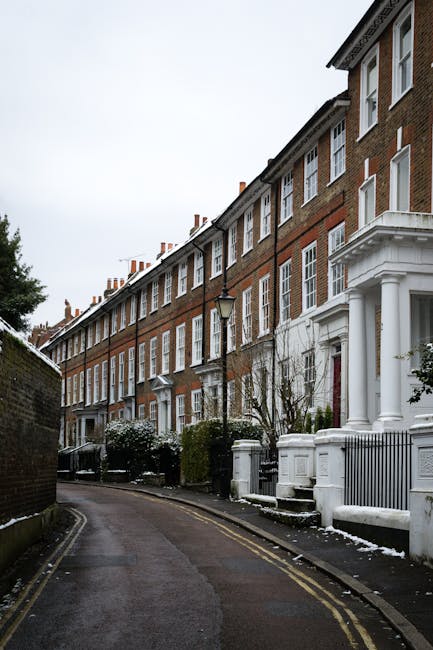
Common Mistakes to Avoid
Most moving mistakes are predictable. That is the good news. The bad news is that people still make them because moving day feels busy and slightly frantic. Fair enough, but a bit of foresight goes a long way.
- Ignoring access measurements. Guessing the sofa will fit is not a plan.
- Underestimating parking restrictions. A van that cannot stop nearby creates immediate delays.
- Packing too late. Half-finished boxes are a recipe for stress and breakages.
- Leaving disassembly until the morning. That is when screws vanish and tempers rise.
- Forgetting shared-building etiquette. Quiet, tidy behaviour matters in flats. Neighbours notice more than you think.
- Choosing the wrong vehicle size. Too small means multiple trips; too large may be awkward or unnecessary.
- Not building in time for the unexpected. A lift delay, a parking issue or a missing key can happen. It just does.
One mistake worth calling out separately is assuming all flat removals are the same. They are not. A ground-floor studio with rear access is a very different job from a top-floor conversion with a long internal staircase and a shared front entrance. The more complex the access, the more detailed the planning should be.
Tools, Resources and Recommendations
You do not need a van full of gadgets to move well, but a few basics make the day much easier. Here is what tends to help most:
- Tape measure for doorways, furniture and lift dimensions.
- Furniture blankets and wraps to protect surfaces and corners.
- Labels and marker pens for box identification.
- Strong tape and zip bags for fittings, screws and loose parts.
- Gloves and sensible shoes for grip and safety.
- Floor protection if the building is especially tight or valuable flooring is involved.
If you are trying to decide how much support you actually need, browsing the broader removal services Hampstead information can help you compare full-service support with lighter-touch help. Some people only need loading and transport. Others need packing, lifting, vehicle choice and post-move placement. There is no prize for doing more than necessary.
For smaller moves, one of the more practical choices may be a man with van Hampstead arrangement or a man with a van Hampstead style service. For slightly larger household moves, a more structured house removals Hampstead approach may be better, even if you are leaving a flat. It depends on volume, access and how many hands you need on the day.
Law, Compliance, Standards, or Best Practice
Moving a flat on Heath Street does not usually involve anything dramatic from a legal point of view, but there are still practical rules and standards to respect. The most important point is simple: use building access responsibly, do not block roads unnecessarily, and make sure the move is carried out safely for residents, neighbours and workers.
In UK moving practice, good operators typically follow sensible manual handling methods, protect property where possible, and plan for safe loading and unloading. If the move involves shared entrances or tight stairways, extra care is expected. That means lifting properly, avoiding damage to walls and doors, and never forcing oversized items through a space where they clearly do not fit. A bit of common sense, really, but worth saying plainly.
If there are permits, time restrictions or building management rules in place, those need to be checked in advance. You do not want a van waiting outside while somebody upstairs is still looking for the lift key. It happens. More often than anyone likes to admit.
It is also smart to review service terms, payment expectations and insurance cover before booking. The pages on terms and conditions, payment and security and the company's about us information can help you understand what is included and how the service is structured. If you care about environmental handling too, recycling and sustainability is relevant when you are deciding what to keep, donate or dispose of.
For anyone researching service standards further, it is wise to look for clear communication, fair handling of damage concerns, and a straightforward complaints route if anything goes wrong. You never want to need it, but it is better to know it exists.
Options, Methods, or Comparison Table
Different moves call for different setups. There is no single best option for every Heath Street flat removal, which is annoying in one sense but useful in another because it gives you room to choose properly.
| Move type | Best for | Access advantage | Watch-outs |
|---|---|---|---|
| Man and van | Small to medium loads, quick local moves | More agile on tight streets | May require more trips for larger loads |
| Flat removals team | General flat moves with furniture and boxes | Better for stairs, lifting and coordination | Needs clear access notes to work efficiently |
| Removal van with larger crew | Heavier or fuller households | Good if loading is straightforward | Can be awkward if parking or access is tight |
| Same-day removal support | Urgent or last-minute situations | Fast turnaround | Less room for complex planning, so access must be simple |
If the question is speed versus volume, that table usually answers it. A compact flat with limited access tends to suit a smaller vehicle. A fully furnished flat with several large pieces may need more coordination. And if your move is being squeezed into a narrow time window, man and van Hampstead or man and a van Hampstead options can be a practical fit.
For some readers, the question is not just how to move, but how to avoid overcomplicating it. That is fair. If the access is simple and the load is light, keep the setup simple too. If the flat is awkward, do the opposite and give yourself room.
Case Study or Real-World Example
Picture a typical Heath Street flat move on a weekday morning. Nothing dramatic. Just a two-bedroom flat with a mix of boxes, a bed frame, a sofa, a dining table and the usual small items that somehow become ten separate trips because they were not grouped properly.
The first issue is parking. The van cannot just sit anywhere, so the team plans a stop that keeps the walk short without blocking the street. The second issue is access inside the building: a narrow staircase with one awkward turn and a lift that is technically there, but not really suitable for the larger furniture. By the time the first mattress appears, the plan has already changed twice. Completely normal, by the way.
What made the difference was preparation. The customer had measured the sofa in advance, removed the legs from the table, and kept the hardware in one marked bag. Boxes were labelled by room. One person handled building access while another kept the moving path clear. Nothing flashy, just good organisation.
The result? Less waiting around, fewer near-misses, and no panic when the crew realised the wardrobe would need to be moved in pieces. It was still a busy morning, of course. Flat removals always are. But it stayed manageable because the access issues had been thought through before anyone reached the front door.
That kind of move is exactly why local knowledge matters. A team familiar with Hampstead streets understands that the shortest route is not always the best route, and that the right vehicle can be more useful than the biggest one. For readers comparing local moving experience, removal companies Hampstead is a sensible place to see how different service styles are presented.
Practical Checklist
Use this checklist a few days before moving day. It is basic, but that is what makes it effective.
- Measure large furniture and all narrow access points.
- Confirm whether the building has a lift, stairs only, or limited booking windows.
- Check where the van can stop and how far items must be carried.
- Book the moving time to suit likely traffic and building access.
- Label every box with room and content priority.
- Pack a separate essentials bag.
- Disassemble furniture that will not move safely as one piece.
- Protect floors, corners and fragile items.
- Keep tools, screws and fittings together.
- Confirm payment details, insurance and service terms before the day.
- Make sure someone is available to manage access and answer questions.
- Plan a backup if the lift is unavailable or parking is blocked.
If you are moving with students or on a tighter budget, the planning still matters just as much. Smaller moves can get messy fast when they are treated casually. If that sounds familiar, student removals Hampstead may offer a more suitable framework for a lighter, more flexible move.
Get a free quote today and see how much you can save.
Conclusion
A Heath Street flat removal becomes much easier when you stop treating access as an afterthought. Parking, stairs, lift size, carry distance and building rules all shape the day, whether you notice them in advance or not. The good news is that most of the stress is avoidable with a measured plan and a little realism.
Keep the route clear. Measure the awkward items. Choose the right vehicle. Ask the building questions early. And if you do need a little more support, choose a service that matches the real conditions of the move rather than the ideal version in your head. That approach saves time, money and a fair bit of grumbling.
In the end, a good move is not about perfection. It is about arriving at your new flat with your belongings intact, your nerves mostly intact, and enough energy left to make a cup of tea. That counts for a lot.