Hampstead house removals NW3 insider tips to avoid hidden fees
Posted on 29/05/2026
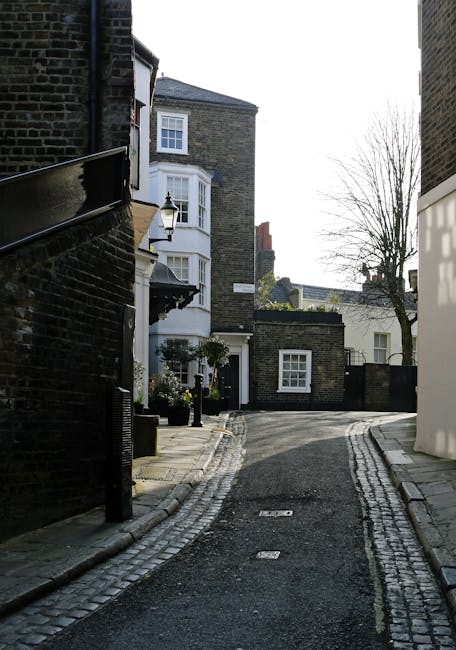
If you are planning a move in Hampstead, you already know the area has its own rhythm: narrow residential streets, parking that can vanish in a blink, older properties with awkward staircases, and the occasional lift that turns out to be, well, a bit optimistic. All of that matters when you're pricing a move. These Hampstead house removals NW3 insider tips to avoid hidden fees are designed to help you understand where extra charges creep in, how removal firms usually structure their quotes, and what you can do to keep the final bill fair. Truth be told, most hidden fees are not "mystery" fees at all-they're usually the result of vague quotes, incomplete inventories, or assumptions nobody checked in time.
Below, you'll find a practical guide to planning a home move in NW3, spotting the warning signs, asking the right questions, and choosing the right level of service for your property. If you want a broader overview of local moving options first, it may help to look at the main removals in Hampstead service page or the wider services overview. Then come back here with a mug of tea and a notebook. You'll get more from the quote process that way.

Why Hampstead house removals NW3 insider tips to avoid hidden fees Matters
Moving house is stressful enough without discovering surprise charges after the van has already left. In Hampstead, the risk of extra costs can be higher than in a more straightforward suburb because the local moving conditions are often more complicated. Older terraces, period flats, basement conversions, tight access roads, residents' parking controls, and upper-floor walk-ups all affect how much time and labour a move will need.
That is why the right approach is not just about finding the cheapest quote. It is about understanding what the quote actually covers. A good removal company should make clear whether it is charging for labour only, mileage, packing, dismantling, waiting time, access difficulties, or storage. If that sounds like a lot to juggle, it is. But once you know the typical fee triggers, the whole process becomes much less intimidating.
There is also a trust element here. A transparent quote tells you something about the business itself. If a company is tidy with the paperwork and clear about its terms, that usually carries through to the move day. If the quote is vague, the invoice often is too.
And let's face it, nobody wants to be arguing over an extra charge while the sofa is blocking the hallway and the kettle is already packed.
How Hampstead house removals NW3 insider tips to avoid hidden fees Works
The basic idea is simple: you collect enough accurate information about your move so the removal company can price it properly from the start. The more precise the details, the less room there is for surprise add-ons later.
Most hidden fees happen in one of four ways:
- Incomplete move details - for example, forgetting to mention a top-floor flat, a narrow staircase, or a large piano.
- Unclear service scope - the quote may not include packing materials, dismantling, reassembly, or waiting time.
- Access issues - parking limitations, long carries from the van, and time spent navigating tricky streets can increase labour.
- Late changes - adding more boxes, extra furniture, or a second pickup after the booking has been confirmed.
The trick is to make your move as measurable as possible. A good removal firm will want to know the property type, the number of rooms, approximate volume, any fragile or heavy items, both postcodes, access at each end, and whether you need extras such as storage or packing help. If you are comparing services, the pricing and quotes page is a sensible place to start because it helps frame what should be asked for before money changes hands.
In practical terms, the process often looks like this:
- You describe the move in detail.
- The company assesses the work involved.
- You receive a quote that should clearly list inclusions and exclusions.
- You confirm any special conditions, such as parking permits or difficult access.
- Everything is documented before moving day.
That document trail matters. It gives you something to refer back to if the final invoice differs from what you expected.
Key Benefits and Practical Advantages
Getting your removal quote right is not just about saving money, though that is a big part of it. There are several practical advantages to handling it properly from the outset.
- Budget control: you can plan your moving costs with far less guesswork.
- Less day-of stress: fewer awkward conversations and less chance of delay.
- Better service matching: you can choose between a full-service house move, a smaller van-based move, or a specialised option such as man with van Hampstead.
- Reduced damage risk: when the company knows about bulky or delicate items in advance, it can bring the right equipment.
- Stronger accountability: a detailed quote is easier to check against the final bill.
There is also a subtle benefit that people often miss: better planning gives you time back. A move that has been properly scoped tends to run more smoothly, which means less waiting around, fewer last-minute searches for box tape, and fewer "where did we put the sockets adaptor?" moments.
If your move involves awkward pieces of furniture, it can help to review furniture removals in Hampstead in advance, especially if beds, wardrobes, or dining tables need dismantling. Likewise, if you have a flat with stairs, lifts, or limited access, the dedicated flat removals Hampstead information may be more relevant than a general house-move page.
Who This Is For and When It Makes Sense
This guide is for anyone moving a home in NW3 who wants a clearer, less expensive process. That includes:
- homeowners moving within Hampstead or nearby areas
- renters leaving a flat, maisonette, or terrace house
- families with multiple rooms and a lot of furniture
- downsizers who need help deciding what to move, store, or dispose of
- people booking a last-minute move and trying to avoid rushed pricing
It makes particularly good sense if your property has any of the common Hampstead complications: restricted parking, shared entrances, protected buildings, basement access, long stair runs, or unusually valuable furniture. A move with a piano or antique cabinet is a different beast from a quick one-bedroom shuffle, and the quote should reflect that. If that sounds familiar, you may also want to look at piano removals Hampstead for specialist handling.
For students or smaller households, the right service level can be different again. A full house removal may be overkill, and a simpler van-based option can be enough. That is where comparing student removals Hampstead and man and van Hampstead services can make a real difference to cost.
Step-by-Step Guidance
If you want to avoid hidden fees, the best approach is to make the quoting stage do the heavy lifting. Here is a practical step-by-step process.
1. Build a realistic inventory
List every room and estimate what is going. Do not just say "bedroom furniture" if there is also a wardrobe, desk, mirror, two chests of drawers, and six boxes of books. Be honest about awkward items too. A removal company can only price what it knows about. That old treadmill in the spare room? Mention it. The box room packed to the ceiling? Mention that as well.
2. Confirm both access points
Tell the mover about steps, lifts, door widths, narrow lanes, parking constraints, and whether the van can park close to the entrance. In Hampstead, this matters a lot. A short walk from the van may sound minor, but in removal terms it can change labour time more than you'd think.
3. Ask what the quote includes
Do not assume the quote includes dismantling, reassembly, packing, or protective wraps. Ask clearly:
- Are packing materials included?
- Is furniture dismantling included?
- Does the quote include waiting time?
- Are stairs or long carries charged extra?
- Is VAT included, if applicable?
A company that answers these questions directly is usually easier to work with. If you want to compare service types before getting into the quote detail, browse the broader removal services in Hampstead page.
4. Check the terms before you confirm
Read the booking conditions carefully. Hidden fees often live in small print about cancellations, delays, parking fines, access problems, and extra labour. This is boring, yes. But so is paying for a mistake that could have been spotted with five quiet minutes and a decent cup of tea.
5. Get any changes in writing
If your move changes after the initial quote, tell the company immediately and ask for a revised written estimate. A quick text is helpful, but written confirmation is better. If the company updates the scope, you both know where you stand.
6. Prepare the property before move day
Pack what you can, label boxes properly, and make sure hallways are clear. When movers can work without obstacles, the job tends to stay on schedule. For packing support, see packing and boxes Hampstead. A tidy house is not just satisfying; it can save time, and time is money during removals.
Expert Tips for Better Results
Here is where the real savings usually happen. Not in dramatic bargain-hunting, but in small, sensible decisions that stop extra charges before they start.
- Ask for a site visit or detailed video survey if the property is large or access is awkward. Photos of the front door alone are rarely enough.
- Separate essential services from optional ones. If you can pack yourself, do that. If you need help only with fragile items, say so.
- Be specific about fragile or high-value items. This is partly about cost and partly about proper handling and insurance expectations.
- Move small valuables yourself. Passports, jewellery, medication, laptop chargers, and essential documents are better kept in your own possession.
- Ask about parking and route planning. If the crew has to spend time circling for access, the clock ticks on.
A lot of people try to save money by under-declaring the load. To be fair, that can backfire badly. If a van turns up and the actual job is much bigger than expected, the price is likely to rise because the team has to adjust the plan on the spot. That is the sort of "saving" that tends to evaporate fast.
One more thing: if you need a quicker or more flexible option, compare man with a van Hampstead and removal companies Hampstead. The right choice depends on volume, access, and how much help you actually need, not just headline price.

Common Mistakes to Avoid
Most hidden-fee problems come from a handful of avoidable mistakes. They are common because they are easy to make, especially when you are juggling conveyancers, estate agents, landlords, utilities, and all the normal chaos of moving day.
- Choosing the cheapest quote without checking the details. Low prices can be genuine, but they can also leave out services you assumed were included.
- Ignoring access problems. A third-floor walk-up in NW3 is not the same as a ground-floor townhouse with a driveway. Pretending otherwise only creates friction later.
- Forgetting about bulky items. Sofas, wardrobes, and appliances can require extra handling, and sometimes specialist equipment.
- Leaving packing until the night before. Rushed packing leads to damaged items, missing boxes, and slower loading.
- Not reading cancellation or rescheduling terms. Even a small change in date can have a cost attached.
- Assuming insurance covers everything automatically. Always confirm what protection is provided and what exclusions apply. If needed, review the company's insurance and safety information.
Another subtle one: some people compare quotes only on the total number, not the assumptions behind it. That is like comparing two restaurant menus without noticing one includes starters and the other doesn't. The final bill tells a different story.
Tools, Resources and Recommendations
You do not need fancy software to plan a move well. A few simple tools are usually enough:
- A room-by-room inventory in a notebook or spreadsheet
- Photos and short videos of access points, stairs, and tricky furniture
- A label system for boxes, ideally by room and priority
- A moving folder for quote emails, terms, and contact details
For some households, a storage option is useful too, especially if completion dates do not line up neatly or you are downsizing. If that applies, look at the relevant storage area page for a sense of how short-term or longer-term storage may fit around the move. It can reduce stress when timings go sideways. And sometimes they do, because life likes a bit of drama.
If you are moving in a greener way, you may also want to think about packing reuse, recycling old materials, and reducing wasted trips. The company's recycling and sustainability page is useful for understanding how waste and reuse are handled. That is especially handy if you are decluttering while you move.
For background reading on the area and the local property context, the following guides are worth a look:
- the pros and cons of living in Hampstead
- a closer look at the Hampstead neighbourhood
- property transactions in Hampstead
- the Hampstead real estate investment guide
They are not packing manuals, of course, but they do help explain why moving in this area often needs a little more care than average.
Law, Compliance, Standards, or Best Practice
For home removals in the UK, the most useful thing to know is not a pile of legal jargon-it is that professional standards matter. A reputable removal company should communicate clearly, handle goods carefully, and explain its terms in advance. Best practice usually includes written quotes, reasonable booking conditions, clear payment terms, and transparent handling of insurance or liability questions.
If a move involves parking restrictions, access arrangements, or controlled streets, the customer often has a role too. You may need to make sure the property is ready, arrange parking where possible, and warn the mover about any known obstacles. In other words, it is a shared responsibility. That is normal.
Also, if a company publishes policies on topics such as terms and conditions, payment and security, or complaints procedure, that is usually a good sign. It shows the business has thought through the customer journey and is not making things up as it goes along. You want that. Believe me, you do.
For larger moves or business relocations, the same logic applies. Planning, paperwork, and clarity reduce risk. If your move is not a house move at all, the office removals Hampstead page may be more relevant.
Options, Methods, or Comparison Table
Different move types suit different situations. The table below shows a practical comparison to help you avoid paying for more service than you need-or booking too little and getting hit with extras later.
| Option | Best for | Typical strengths | Main hidden-fee risk |
|---|---|---|---|
| Full house removals | Families, large homes, complex access | More support, better for heavy loads, usually more organised | Extras for packing, stairs, waiting time, or difficult parking if not disclosed |
| Man and van | Smaller homes, partial moves, students | Flexible, often cost-effective for lighter loads | Extra trips or additional labour if the load is bigger than expected |
| Man with a van | Quick local moves, a few bulky items | Convenient, simple to book, often good for short distances | Surprise charges for delays, multiple floors, or large furniture |
| Specialist removals | Pianos, antiques, valuable items | Safer handling, tailored equipment, specialist experience | Underestimating item complexity or access issues |
If you are not sure which route fits, start with the general house removals Hampstead page, then step down to a more tailored option if your move is smaller. That is usually a safer way to avoid overpaying or underbooking.
Case Study or Real-World Example
Here is a realistic example. A couple moving from a second-floor Hampstead flat to a house a few streets away requested a straightforward quote over the phone. They mentioned the main furniture but forgot about a large bookcase, a heavy exercise bike, and the fact that the street outside both properties had restricted parking.
On moving day, the crew could still do the job, but the access time took longer than expected, and the bookcase needed an extra pair of hands to move safely. The final price rose because the job description had been incomplete. Nothing dramatic, nothing unfair-just not fully scoped.
Now compare that with a second move a few weeks later. This time, the customer sent photos of both entrances, included a full inventory, confirmed the floor level, asked about packing materials, and checked whether dismantling was included. The quote was more detailed, but also far more reliable. No surprises, no back-and-forth, no awkward conversation at the end.
That is the whole point, really. A clear quote can look slightly higher at first, but if it includes everything you need, it may be better value than a bargain number that keeps growing. The quiet confidence of knowing what you'll pay is worth a lot on moving day.
Practical Checklist
Use this before you confirm any Hampstead removal booking.
- Make a full room-by-room inventory.
- Note all large, fragile, or awkward items.
- Photograph stairs, entrances, parking, and any tight spaces.
- Ask exactly what is included in the quote.
- Check whether packing, dismantling, reassembly, and waiting time are extra.
- Confirm whether VAT is included or added later.
- Read cancellation, rescheduling, and access terms.
- Ask how insurance and liability are handled.
- Clarify who arranges parking if needed.
- Get all agreed changes in writing.
Quick expert summary: the best way to avoid hidden fees is to treat the quote like a shared plan, not a rough guess. The more concrete your information, the more trustworthy the price becomes. Simple as that.
Get a free quote today and see how much you can save.
Conclusion
Hampstead moves can be smooth, but they reward careful planning. The area's streets, buildings, and parking realities mean that generic moving quotes are often not enough. If you want to avoid hidden fees, focus on clarity: full inventory, clear access details, written inclusions, and a proper read-through of the terms before you book.
Whether you need a full home move, a smaller van-based job, packing support, or help with unusual items, it pays to choose the right service level rather than the lowest headline figure. That approach usually saves money in the end, and definitely saves headaches. If you've ever moved house in London, you'll know that counts for a lot.
And if you're still at the planning stage, that's actually a good place to be. You've got time to ask the right questions, get a fair quote, and make the moving day feel a little less like a scramble. A bit of prep goes a long way.