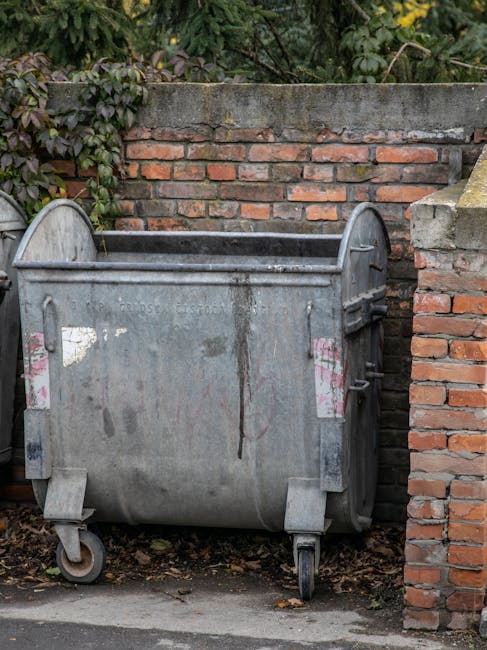
Garbage disposal and bulky waste rules for Hampstead movers
Moving in Hampstead sounds straightforward right up until the first pile of broken shelving, worn-out mattresses, flat-pack packaging, and that awkward chair you meant to donate three years ago. Suddenly the question is not just where everything goes, but what you are actually allowed to put out, when you can leave it, and how to deal with bulky waste without causing a headache for yourself or the neighbours. That is where garbage disposal and bulky waste rules for Hampstead movers become genuinely useful.
This guide breaks the process into plain English. You will learn how rubbish removal is usually handled during a move, what counts as bulky waste, what to check before you leave items at the kerb, and how to avoid the common mistakes people make when they are rushed. There is always a last-minute box that looks harmless and turns out to be a problem. Let's deal with that properly.
Why Garbage disposal and bulky waste rules for Hampstead movers Matters
Moving day is noisy enough without adding a collection issue or an awkward conversation with building management. In Hampstead, where many homes sit in conservation-minded streets, shared entrances, narrow pavements, and resident-controlled access can make waste disposal more sensitive than people expect. A sofa placed in the wrong spot, or cardboard left out on the wrong day, can quickly become somebody else's complaint.
The practical reason these rules matter is simple: they help you leave cleanly, legally, and without creating friction. The emotional reason is just as real. When you are already juggling keys, cleaners, boxes, and final readings, the last thing you want is to wonder whether that pile of broken furniture is going to stay there for three days. Nobody needs that.
There is also a money angle. A rushed disposal plan can lead to duplicate trips, fines, missed collections, or emergency clearance costs. A bit of planning usually saves more than it costs, and it makes the final day feel calmer. Not perfect. Just calmer, which honestly counts for a lot.
How Garbage disposal and bulky waste rules for Hampstead movers Works
In practice, moving waste management usually has three parts: sorting, scheduling, and placement. First you decide what is staying, what is being donated, what can be recycled, and what needs disposal. Then you check the timing and method for removal. Finally, you make sure items are stored or presented in a way that complies with local expectations and any building rules.
Bulky waste is usually anything too large for standard household bins. Think mattresses, wardrobes, desks, broken white goods, exercise equipment, old shelving, and sometimes even large quantities of boxed moving materials. But the exact handling depends on the item. A dismantled wardrobe is not treated quite the same as a fridge, and a bag of packaging is not the same as a damaged armchair. Small distinction, big difference.
For Hampstead movers, the tricky bit is that the area includes a mix of terraces, flats, mansion blocks, and period homes. That means one move might involve a front garden, shared hallway, basement access, and a parking restriction all in the same afternoon. One route in, another route out. It can get fiddly fast.
In many cases, the best approach is to separate the waste stream before moving day. Reusables go to charity or a new owner. Recyclables are flattened and bundled. Bulky items are set aside for collection or removed in a booked clearance. General waste is kept to a minimum. That kind of sorting sounds mundane, but it makes the whole move easier to manage.
Key Benefits and Practical Advantages
Getting garbage disposal right during a move does more than keep the place tidy. It also gives you control at a time when most people feel a little all over the place. Here are the main advantages.
- Less stress on moving day: fewer loose ends, fewer decisions under pressure, fewer awkward surprises at the front door.
- Cleaner handover: a property that is left clear and tidy is easier to hand back to an agent, landlord, or buyer.
- Better space management: once the bulky items are identified early, it becomes much easier to plan routes, loading order, and vehicle size.
- Lower risk of complaints: good waste handling helps you avoid issues with neighbours, building managers, or refuse crews.
- More recycling and reuse: items that still have life in them can often be passed on instead of treated as rubbish.
There is a practical bonus too: sorting rubbish before it turns into one giant mixed pile is much easier on your back and your schedule. Nobody enjoys discovering a broken bed frame at 7:30 in the morning while everyone is trying to find the kettle.
Expert summary: The best moving-day waste plan is usually the one you set up before the boxes are packed. If you decide what stays, what goes, and how each item will be removed, the final day feels far less chaotic.
Who This Is For and When It Makes Sense
This guide is useful for almost anyone moving in or out of Hampstead, but some situations make it especially relevant.
- Homeowners clearing out after a sale: you may need to leave the property empty and presentable.
- Renters ending a tenancy: landlords and agents usually expect the home to be free of rubbish and bulky leftovers.
- Flat movers in shared buildings: access, lift use, corridor space, and timing can all affect how waste is removed.
- People downsizing: a smaller home often means letting go of larger items that no longer fit.
- Families combining households: duplicate furniture and worn-out appliances tend to pile up quickly.
- Anyone dealing with renovation debris around a move: old units, packaging, and household junk can build up fast.
It also makes sense if you are trying to avoid the classic last-minute scramble. Truth be told, most moving waste problems happen because people assume they will sort it "later". Later arrives fast. Then the van is outside, the keys are due, and that one old wardrobe is still standing in the corner like a stubborn guest.
Step-by-Step Guidance
Here is a simple, realistic way to handle waste and bulky items without overcomplicating things.
1. Walk through the property early
Start room by room and make a list of anything you do not want to move. Go beyond the obvious. Check lofts, cupboards, under beds, balconies, sheds, and the back of wardrobes. These are the places where forgotten clutter likes to hide.
2. Sort into clear categories
Use four groups:
- keep
- donate or sell
- recycle
- dispose of as bulky waste
This is usually the fastest way to stop mixed waste from becoming unmanageable. If something can be reused, keep it out of the disposal pile. It is better for the budget and for the amount of rubbish left behind.
3. Check whether the item can be broken down
Sometimes the difference between an awkward bulky item and a manageable one is a screwdriver and ten minutes of patience. Flat-pack furniture, shelving, and bed frames are often easier to handle once dismantled. Just keep the fixings together in a labelled bag so the next owner is not left hunting for screws at midnight.
4. Confirm collection or clearance arrangements
Some people rely on booked waste removal, others use council collection options, and some arrange a van-based clearance service. Whatever route you choose, confirm what is accepted, how items should be presented, and when they will be taken. Do not assume every item is accepted the same way.
5. Place items safely and neatly
Items should be positioned where they will not block exits, pavements, shared hallways, or fire routes. In apartment buildings, this part matters a lot. The corridor might look wide enough in the morning, but once a mattress is leaning against one wall and a trolley is parked in the other direction, it feels very different.
6. Keep a final clean sweep
Before you hand over keys, do one last walk-through. Check behind doors, on windowsills, inside cupboards, and in the bin area. A forgotten lamp or torn rug can be the thing that spoils an otherwise tidy exit. Annoying, yes. Common, also yes.
Expert Tips for Better Results
After enough moves, one pattern becomes obvious: the people who stay organised early have the smoothest finish. Not glamorous, just true.
- Label waste piles by room: it helps movers know what can go without asking every five minutes.
- Flatten cardboard immediately: bulky packaging eats space and quickly becomes a trip hazard.
- Keep a separate "maybes" box: items you are unsure about should not delay the whole sort.
- Book any clearance ahead of time: last-minute slots can be tight, especially during busy moving periods.
- Plan for access, not just volume: a large item is only easy if it can actually get out of the building.
- Use bags for small loose waste: screws, offcuts, broken fittings, and other little bits otherwise disappear into corners.
One small but useful trick: do a disposal run before the main move if you can. Even one carload or one pre-booked collection can reduce the amount of chaos on moving day. You will feel the difference immediately. Less clutter, less noise, less of that frantic "where did this come from?" moment.
And if you live in a building with neighbours who are sensitive to noise or shared-space mess, a polite note can help. Simple, friendly, no drama. That goes further than people think.
Common Mistakes to Avoid
People do not usually make waste mistakes because they are careless. More often, they are rushing. Still, a few errors come up again and again.
Leaving bulky items until the last minute
This is the classic one. The item is large, awkward, and suddenly impossible to manage when the movers arrive. You end up paying with time, energy, or both.
Mixing different waste types together
When recyclables, general rubbish, and reusable furniture all end up in one pile, the disposal process gets slower and less efficient. Separation saves effort later.
Assuming everything can be left outside
Not all streets, estates, or buildings allow the same presentation of waste. Even if something seems harmless, placement rules may still matter. Best to check rather than guess.
Forgetting restricted access or parking issues
In Hampstead, access can be a real factor. A perfectly sorted pile still causes problems if the removal vehicle cannot get close enough, or if the item cannot be carried safely through the building.
Ignoring hazardous or special items
Some things need extra care, such as certain electricals, paint, chemicals, or anything with sharp edges. These should never be treated like normal rubbish. If in doubt, treat the item cautiously and confirm the correct route first.
Not checking landlord, agent, or building instructions
Leasehold and managed buildings often have their own rules, and they can be stricter than people expect. A quick look at building instructions can prevent an annoying last-minute reset.
Tools, Resources and Recommendations
You do not need much to handle move-related waste well, but a few simple tools make life easier.
- Heavy-duty bags: good for loose rubbish, soft furnishings, and small mixed items.
- Marker pens and labels: useful for sorting, especially if multiple people are helping.
- Box cutter or screwdriver: handy for dismantling furniture and breaking down packaging.
- Protective gloves: worth having if you are moving broken items or dusty loft contents.
- Tape and ties: useful for bundling cardboard, cables, and dismantled parts.
- A measured tape or phone camera: helps with checking item size before arranging removal.
For larger clear-outs, a clearance service can be the simplest route. For smaller loads, a planned recycling and donation approach may be enough. The right answer depends on volume, access, and timing. If you are only getting rid of a few pieces, a full clearance may be overkill. If you are emptying a full flat, it may be the cleaner option. No need to pretend one method fits every move.
Also, keep any building-specific rules handy. Some properties in Hampstead are very particular about lift use, collection timings, or where items can be staged. That is not necessarily a nuisance; it is just how the building works. Understanding that early keeps things smooth.
Law, Compliance, Standards, or Best Practice
Waste disposal during a move touches on legal and practical responsibilities, even when the job looks simple on the surface. In the UK, waste should be handled in a way that avoids fly-tipping, nuisance, and unsafe placement. That applies whether you are leaving a single sofa or clearing a whole property.
Best practice usually means:
- using lawful disposal channels
- not blocking pavements, entrances, or fire routes
- separating recyclables where practical
- keeping hazardous or special waste out of normal household rubbish
- making sure any service you use can handle the items properly
In multi-occupancy buildings, lease terms or management rules may add further expectations. These are often about access, quiet hours, lift protection, or where items can be left. Even if a waste pile seems temporary, building rules can still apply.
There is also a wider duty of care in waste handling: if you pass waste to a third party, you should be reasonably satisfied it is being handled properly. That may sound formal, but in plain English it means not handing over your old stuff to anyone who offers a quick deal and a vague promise. Cheap can become expensive very fast if the waste ends up dumped somewhere it should not be.
When in doubt, choose the most transparent option. Ask what is taken, how it is transported, and what happens to reusable or recyclable material. A reputable mover or clearance provider should be able to explain that without a song and dance.
Options, Methods, or Comparison Table
There is no single best waste-removal method for every Hampstead move. The right choice depends on how much you have, how quickly you need it gone, and how much access you have on the day.
| Method | Best for | Advantages | Watch-outs |
|---|---|---|---|
| Self-sort and household disposal | Small amounts of mixed moving waste | Low cost, flexible timing, easy for lightweight items | Time-consuming, limited by your own vehicle and access |
| Donation or resale first | Usable furniture, decor, appliances | Reduces waste, can support a second life for items | Needs advance planning and item condition should be acceptable |
| Booked bulky waste collection | One-off large items | Convenient, targeted, less manual handling for you | Collection dates and accepted items may be limited |
| Full clearance service | Large or urgent clear-outs | Saves time, handles volume, good for whole-property moves | Usually more expensive than simpler options |
| Mixed approach | Most real-world house moves | Flexible and often the most practical | Needs coordination so items do not get forgotten |
In real life, many people use a mixed approach. Donate the good bits, recycle the easy bits, and book removal for the stubborn leftovers. That is often the sweet spot.
Case Study or Real-World Example
A typical Hampstead flat move might go like this. A couple is leaving a first-floor apartment with a narrow staircase, a small lift, and no driveway. They have an old mattress, a dining table with a damaged leg, three bulky storage shelves, and several bags of packaging from the move itself.
Instead of leaving everything until the final day, they sort the items a week in advance. The mattress is booked for removal. The table is dismantled so it can be carried out safely. The shelves are checked, and one is donated because it is still usable. Cardboard is flattened daily rather than left to tower in the hallway like a cardboard monument to indecision.
On moving day, the path is clear, the building manager has been informed, and there is no last-minute argument over what can stay in the common area. The result is boring in the best possible way: efficient, clean, and calm. That is what a good move should feel like, honestly.
The lesson is not that every move will be perfect. It will not. But if you handle bulky waste early and keep the process simple, you dramatically reduce the chances of a messy handover.
Practical Checklist
Use this checklist a few days before your move:
- Walk through every room, cupboard, loft, and storage space.
- Separate keep, donate, recycle, and dispose piles.
- Measure or photograph bulky items that need removal.
- Check building rules, access notes, and collection timing.
- Book clearance or collection if required.
- Flatten cardboard and bundle loose packaging.
- Label any reusable items meant for donation.
- Keep hazardous or special items separate.
- Make sure no waste blocks exits, corridors, or shared areas.
- Do one final sweep before handing back keys.
If you can tick all ten, you are in pretty good shape. If not, at least tackle the bulky stuff first. That is usually the part that causes the most stress.
Conclusion
Garbage disposal and bulky waste rules for Hampstead movers are really about keeping a move tidy, lawful, and manageable. The more clearly you sort items before the big day, the easier everything becomes: loading, access, handover, and peace of mind. It is not glamorous work, but it is one of those small disciplines that makes a big difference.
For Hampstead homes in particular, planning matters because access can be tight and shared spaces can be sensitive. A little preparation goes a long way. Sort early, check the rules, keep bulky items under control, and you will save yourself a lot of faff. Simple enough, but it works.
If you are getting ready to move, take a calm, practical approach to the waste side of things. It is one less thing to worry about, and sometimes that is exactly what you need.
Get a free quote today and see how much you can save.
Frequently Asked Questions
What counts as bulky waste when moving house in Hampstead?
Bulky waste usually means items too large for normal household bins, such as mattresses, wardrobes, tables, chairs, sofas, shelving, and large appliances. The exact treatment can vary by item, so it is worth checking before you arrange removal.
Can I leave bulky items on the pavement outside my Hampstead property?
Not always. Placement rules can depend on your building, street conditions, and the collection method you are using. In some cases, leaving items outside may be fine only for a scheduled collection. In other cases, it may cause problems or complaints.
Should I donate furniture before arranging disposal?
If the item is still usable, donation is often a sensible first step. It reduces waste and can save you disposal effort. Just make sure the item is clean, safe, and in a condition that a charity or new owner is likely to accept.
How far in advance should I deal with bulky waste before moving?
Ideally, start sorting at least a few days before the move, and longer if you have a lot to clear. That gives you time to book collections, dismantle furniture, and avoid last-minute panic.
What if I have mixed waste and I am not sure what can be recycled?
Separate obvious recyclables first, such as cardboard and clean packaging. If something is dirty, damaged, or made of mixed materials, it may need different handling. When in doubt, keep it separate until you can confirm the best route.
Do movers usually take rubbish away too?
Some do, some do not. It depends on the service you book. Many moving teams can help with waste removal or work alongside a clearance option, but you should confirm this before moving day so there are no surprises.
What is the safest way to remove bulky items from a flat?
Measure the item, check the route, protect walls or floors if needed, and dismantle anything that can be safely broken down. If the item is heavy or awkward, get help. A sofa wedged in a stairwell is nobody's idea of a good afternoon.
Are there special rules for fridges, freezers, or other appliances?
Yes, appliances often need separate handling because they may contain materials or components that should not go into normal rubbish streams. It is best to confirm the correct disposal route before moving them.
What happens if I leave rubbish behind after a tenancy ends?
That can create problems with the landlord or letting agent and may lead to deductions from a deposit if cleaning or clearance is needed. It is usually much easier to remove everything before the final inspection.
Is a full clearance service worth it for a small flat move?
Sometimes yes, sometimes no. If you only have a few items, smaller disposal methods may be enough. If you are under time pressure or have awkward access, a full clearance can be the simpler option. The right choice depends on volume, timing, and how much effort you want to spend.
How can I avoid complaints from neighbours during bulky waste removal?
Keep access routes clear, avoid blocking shared entrances, follow any building rules, and do not leave items out longer than necessary. A quick note to neighbours or building management can also help if the removal will be noisy or involve a large item.
What is the smartest first step if I have not planned waste disposal yet?
Start by walking through the property and making a simple list of everything that will not be moved. Once you can see the full picture, it becomes much easier to decide what to donate, recycle, or book for removal. That first list is often the turning point.